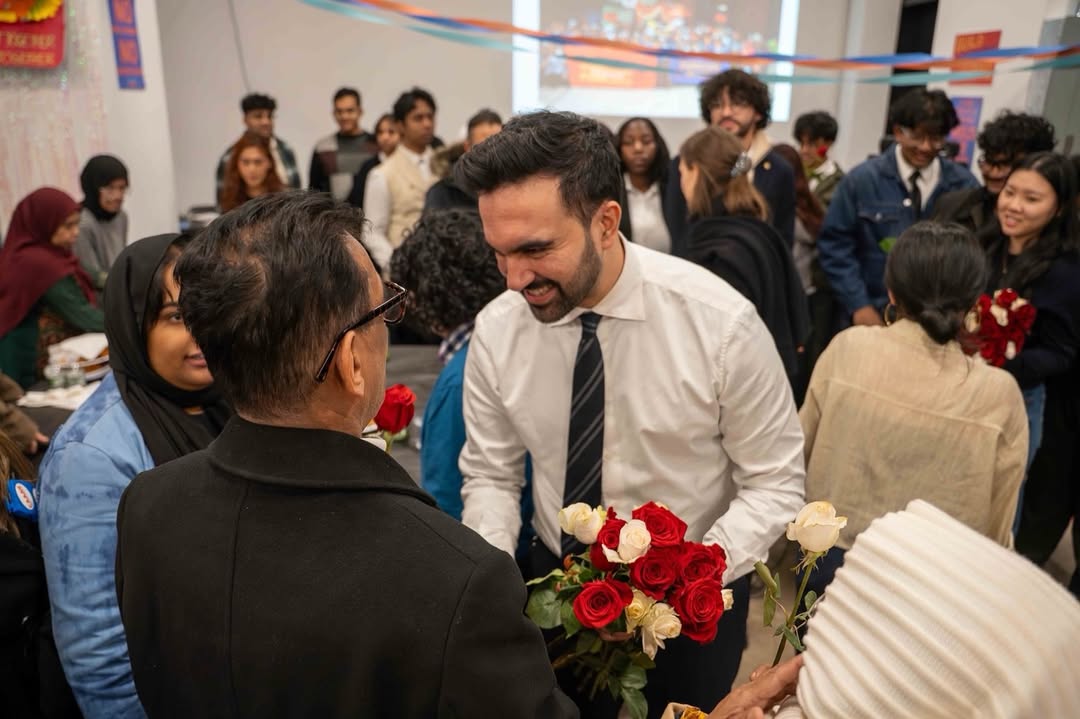
Zohran Mamdani’s win as New York City mayor is a case study in culture at work. He came in with an uncommon background and used the internet as his engine. Right now, it’s safe to say his tactics actually worked. So, how was it?
Diversity representation
Way before his win was official, Zohran’s run was already causing a buzz all over internet. Because New York might be the most pivotal city in the U.S., his presence as an Arab/Muslim/South Asian representative is a refreshing contrast to the public’s fatigue with Trump, the Republicans, and conservative politics.
Look closer, and Zohran isn’t just the Arab-Muslim face, he also has ties to Africa. The new mayor having been born in Kampala, Uganda. So, even before laying out his vision, Zohran was already winning over pockets of voters who felt like he was one of them.
On top of that, Zohran threw in a few moves that pulled in new voters who had been on the fence. He’s out here supporting LGBTQ+ rights and calling for an end to Israel’s actions in Palestine. Zohran also straight-up said he’d arrest Israeli PM Benjamin Netanyahu if the guy ever stepped foot in New York.
”Whether carefully staged or spontaneous, Zohran’s moves make it clear that he’s not just a symbolic figure of diversity, he puts those values into action.”
That said, the diversity playbook hasn’t quite caught on in Indonesia yet. Rather than seeking fresh, different candidates, people tend to stick with those who are just like them. Differences, even the slightest, often seem unwelcome.
”Besides the whole state-principle thing, religion and ethnicity make Zohran’s diversity game tough to pull off here in Indonesia. Like that old myth that an Indonesian president has to be Javanese, people really buy it, even top politicians.”
The internet game sounds familiar…
During his campaign, Zohran leveraged social media to promote himself. He used platforms like Instagram, where the camera followed him interacting with kids, minority communities, and large-scale social movements such as Humans of New York.
His social media campaign seemed to confirm the assumption that effective politics today is digital politics. If you can sell your personal brand well, the path to power opens wide. Basically, this Zohran Mamdani thing is something very familiar from Indonesian perspective.
”While Zohran’s diversity playbook may still feel unfamiliar, his political style makes him feel like one of Indonesian leaders. After all, his tactics are surprisingly similar.”
In Indonesia, this digitalized politics has become a highly effective game-changer. The better a candidate polishes their image in front of the camera, the higher their chances of success. Candidates compete to create content that’s as engaging as possible, even bordering on drama.
A recent example is the rising star Dedi Mulyadi, Governor of West Java. Dedi uses his social media primarily to share his daily activities. He often meets with residents facing problems and posts the interactions online. Aftermath, people even have started calling him the ‘Content Governor.’
”However, the close bond that Dedi Mulyadi builds with the community instills a mindset among citizens to act as a protective shield whenever criticism arises.”
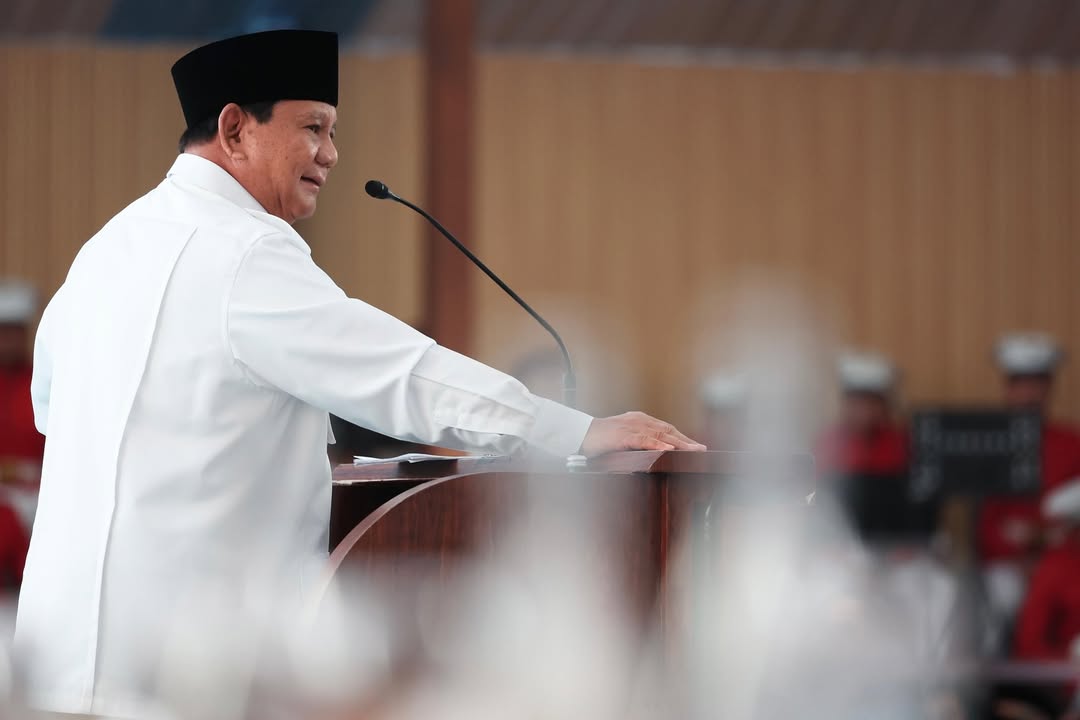
Or take Prabowo, who managed to transform his image from tough and stern to a dad-next-door kind of vibe, complete with pinchable cheeks. His social media campaign helped reshape his persona in his fourth election, and it worked, he won. The practice of shaping an image that blends seamlessly with the public feels like a powerful psychological twist.
Well, all these examples show one thing: digitalized image is now an undeniable product. Your past, your record, your political moves are not the main deal anymore. Today, get popular, and suddenly you’re shaping the future of millions.


2 thoughts on “Zohran Mamdani’s Style Kinda Feels Like Home”