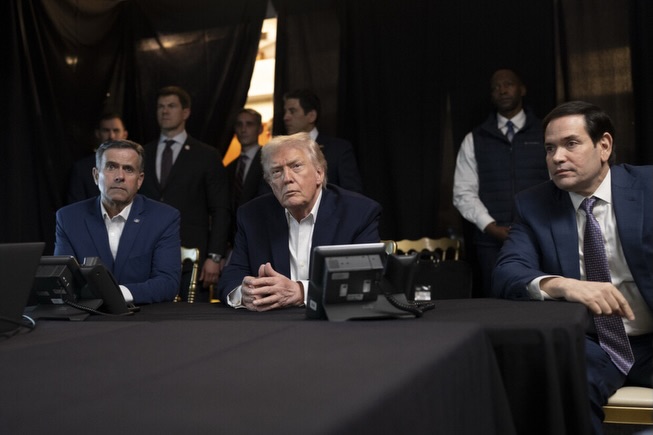
The US under Trump’s authorization, is launching a massive operation in Caracas, Venezuela. The main target was to arrest President Nicolás Maduro. Trump is now openly saying the US will take control of Venezuela’s oil reserves. So yeah… the US is still playing the oil-and-dictators game.
#MAGA is not a joke for Trump
Before actually deciding to arrest Maduro, Trump had already warned his government multiple times. He accused Maduro of being involved in and protecting narco-terrorism.
Trump also claimed Venezuela has been flooding the US with drugs. Even though those accusations haven’t been fully proven, the US threats toward Venezuela were clearly no joke. Not long before Maduro was detained, the US had already blocked Venezuelan oil tankers offshore.
The idea that oil would become worthless and easily replaced clearly hasn’t aged well. Even after years of pushing renewable energy, oil is still the most fought-over commodity among global superpowers. Well, a full transition to renewables energy takes serious research and a lot of time.
Now that Maduro has been taken to New York for trial, Trump says the next move is taking control of Venezuela until a ‘smooth government transition’ happens. On top of that, the US plans massive investments in Venezuelan oil.
Under Trump, the US now would sell Venezuela’s oil to other countries, and keep the profits.
”All the data that spread around the internet seems to back this up: Venezuela really is a major key player in today’s global energy war.”
Adding to that, this controversial US policy is clearly a major part of Trump’s famous vision, #MakeAmericaGreatAgain.
Indonesia’s standing position
After the US launched a military operation in Caracas, a wave of countries condemned the move. One of them was China, America’s rival in the energy war. Beijing called Trump’s actions illegal and said they showed zero respect for Venezuela as a legitimate, sovereign nation.
Other developed countries also echoed similar criticism. Meanwhile, Indonesia’s stance as a developing country is questioned. Especially since the the shift of power from Joko Widodo to Prabowo Subianto at the end of 2024.
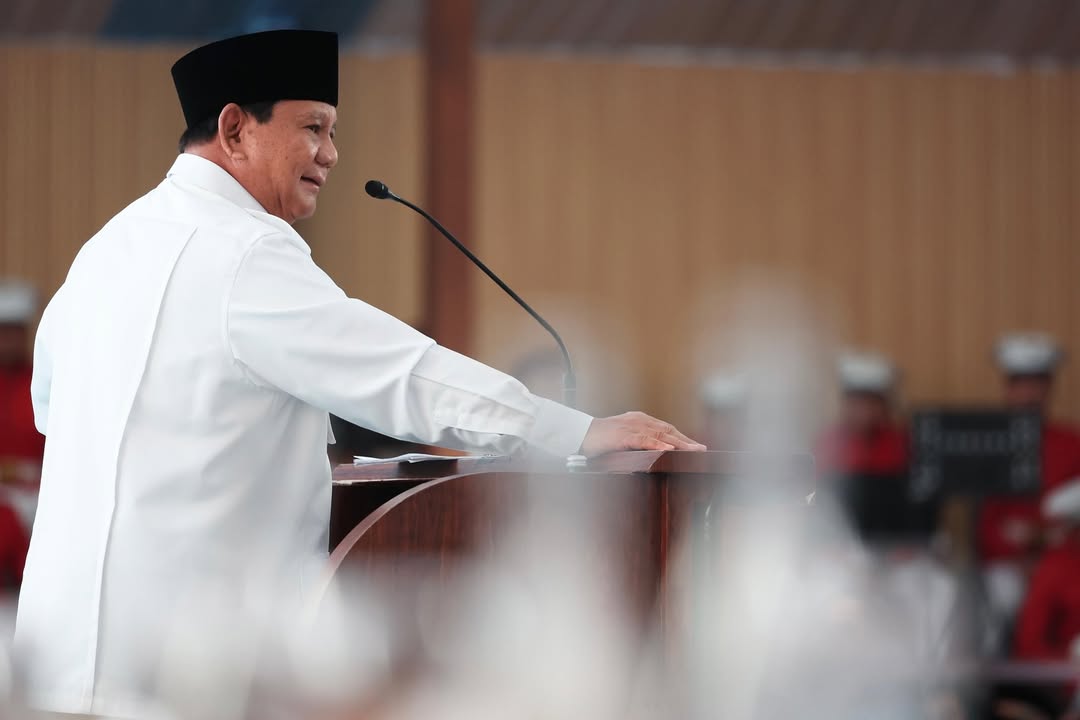
Before Prabowo officially took power, many believed Indonesia would be strong and not easily swayed by foreign influence. In particular, Prabowo often referred to “foreign lackeys” on several occasions. He has also consistently emphasized his vision of Indonesia standing on its own feet.
Now, we can see the government foreign diplomacy view when Prabowo asked President Trump about his son, Eric. Although it wasn’t explained explicitly, Eric’s interview with CNN indirectly sheds light on the relationship between the two countries. He mentioned that he has been developing large-scale investment projects in Bali and Jakarta since 2015.
Prabowo’s moves offer a glimpse into how Indonesia currently views the US. In the wake of Trump’s tariffs, the country has been actively engaging in continuous lobbying. As a result of the negotiations, the US gained full access to manage copper resources.
”However, Indonesia, via its Foreign Ministry, said the US attack could trigger a dangerous situation and underlined that Venezuela has the sole right to determine its own future.”
US and dictatorship
A lot of people see the US as the ‘hero’ that swoops in to liberate countries from dictatorships. After taking down figures like Iraq’s Saddam Hussein and Libya’s Muammar Gaddafi, the US is often portrayed as the gold standard of how political practices are supposed to be played. But actually, being anti-dictators isn’t exactly their thing.
Looking at the their history of taking down leaders labeled as dictators, those figures were often super vocal against them. Gaddafi, for example, he openly claimed JFK’s assassination was a CIA-backed operation. The most recent case is Putin, actively challenging NATO expansion close to Russia, an initiative largely controlled by the US.
”While on the other side, you can see figure like Indonesia’s Soeharto and Yemen’ Ali Abdullah Saleh, who was pretty tight with the US at some point. Funny enough, the US never openly straight-up called them a dictator.”
Read more: Zohran Mamdani’s Style Kinda Feels Like Home