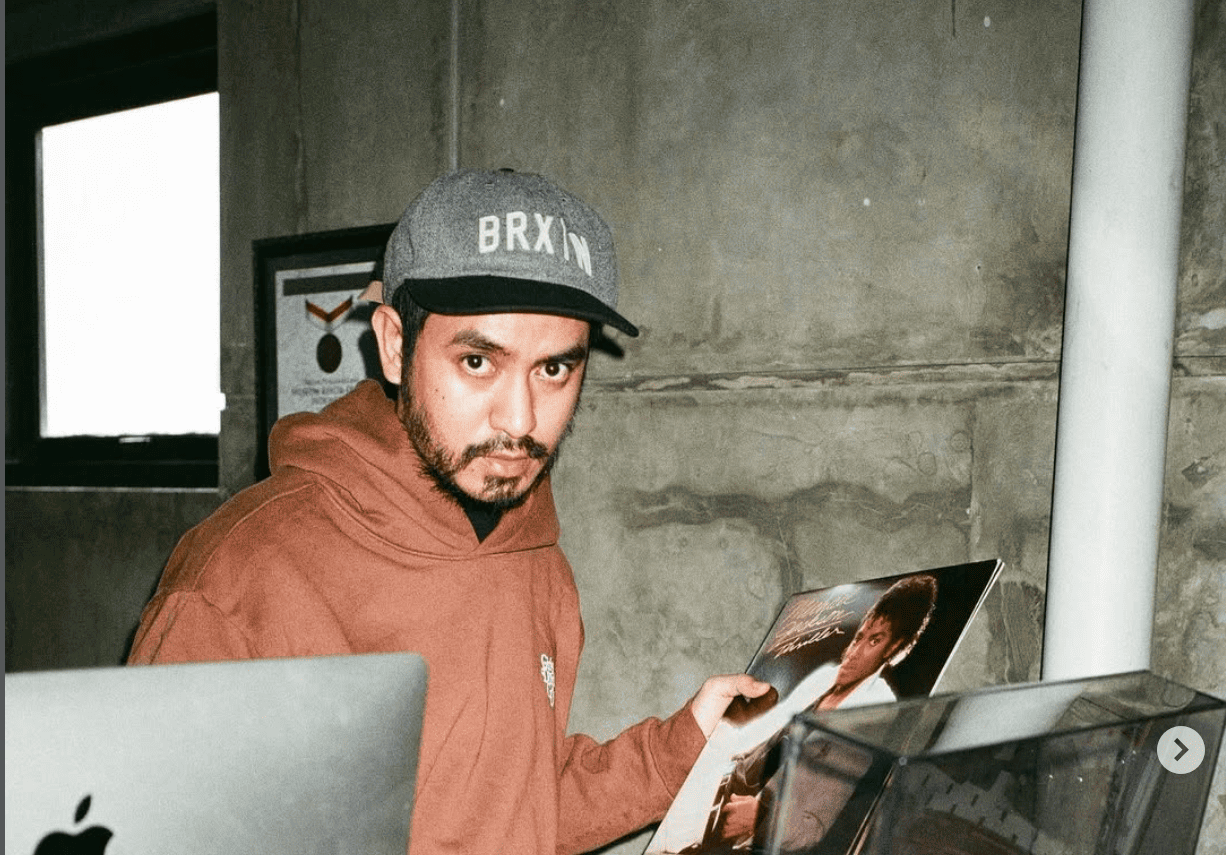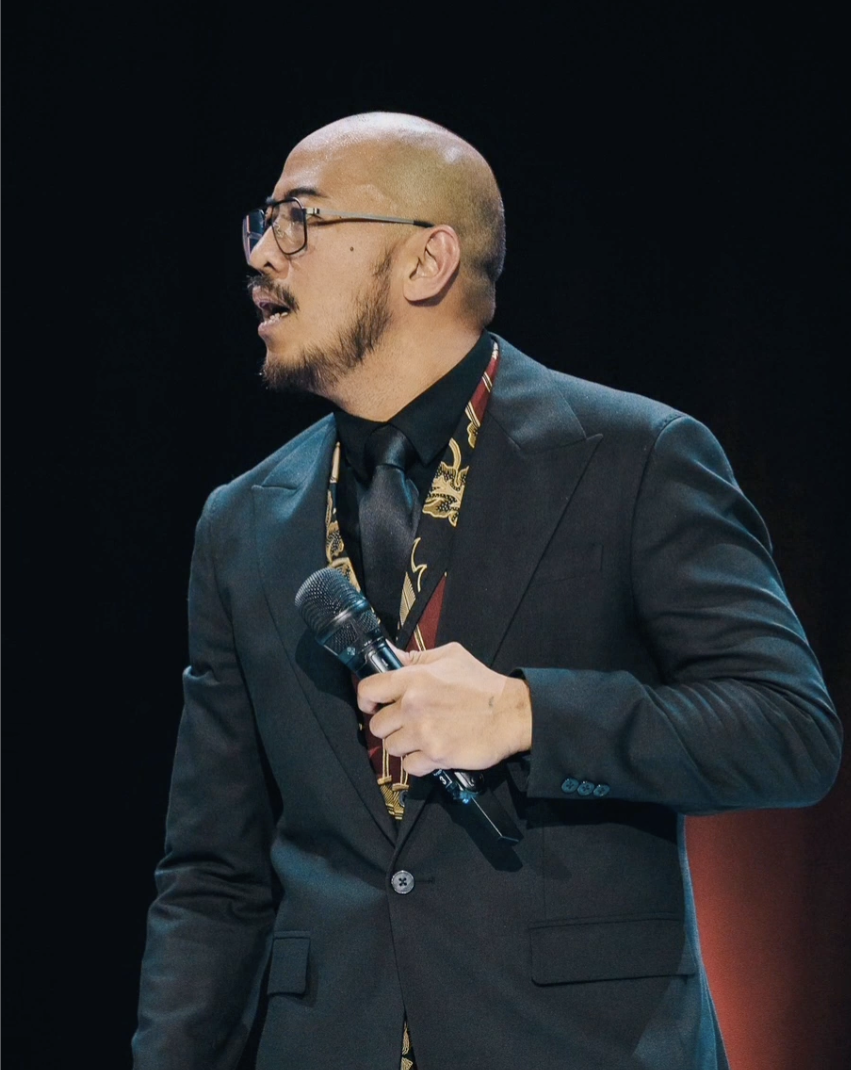
Pandji Pragiwaksono’s stand-up comedy special ‘Mens Rea’ has sparked a wide range of reactions. Some critics argue that Pandji crossed a line in one of his jokes, accusing him of bullying and even filing a police report. But the question remains: are these critics acting as genuine watchdogs, or as double-standard moral police?
Comedy and politics didn’t just pop up yesterday
The recent wave of offense may stem from a lack of understanding of comedy’s own identity as an art form. In Indonesia, comedy has long served as a channel of resistance, particularly during the New Order era, when dissent was deeply taboo. As a result, comedy was shaped into satire and political critique, which aimed at the government, a tradition that in many ways continues to this day.
”Many critics view Pandji’s comedic style as nothing more than propaganda driven by personal grievance. They argue that “good” comedy should resemble that of Warkop DKI. Yet Warkop DKI themselves were among the most vocal comedy groups in delivering social criticism toward those in power. In fact, their sketches frequently addressed issues such as bureaucracy, anti-corruption governance, and other political concerns.”
Furthermore, Warkop DKI’s activism may not have taken the form of street protests or open debates. Instead, the legendary trio used comedy as their primary, and perhaps only, means of conveying messages of change. The same path that also taken by Pandji Pragiwaksono in an era where everyone can openly voice criticism.
Double-standard moral police
Now, the alleged ‘offense’ directed at Pandji’s ‘Mens Rea’ is that the comedy lacks moral grounding. Well, just imagine a show lasting 2 hours and 24 minutes being judged and dismissed so abruptly. So, is the morality they claim to protect truly universal, or is it simply that they cannot tolerate their ‘idol’ being mocked?
Furthermore, critics of ‘Mens Rea’ claim that the show is propaganda, arguing that Pandji frequently clashes with Anies Baswedan. They see it as a form of personal resentment, fueled by frustration over losing in the presidential contest. However, their lack of research backfires: Pandji Pragiwaksono has been vocal long before the term “Anak Abah” even existed. He also participated in the 1998 protests that helped topple the Suharto regime. Since then, Pandji has not stopped, he has remained active in delivering social criticism throughout the presidencies that followed.
In our view, those who criticize ‘Mens Rea’ never truly cared about morality in the first place. After all, the figure they defend is hardly an ideal example of moral conduct. Take, for instance, a president who frequently uses words like “Ndasmu” or “Sontoloyo.” Are such behaviors ever condemned with the same moral fervor?
Second, Gibran’s candidacy for vice president alone already overstepped the constitution and undermined the rule of law. Such actions tarnish democratic values and show contempt for morality and ethics, principles that should be upheld and respected. Yet, after the massive uproar over a comedy show, they suddenly cry “morality” and “ethics.
Those two alone are already clear examples of events that clash with morality and ethics. Gamma gets killed, forests get wrecked, students get poisoned, activists get arrested… but Pandji mocks Gibran’s sleepy face and suddenly it’s a moral crisis?
”Are we even serious?”
Read more: Zohran Mamdani’s Style Kinda Feels Like Home